
questinternational /
August 22, 2026
How to Choose the Right Aluminium Chequered Plate for Your Project in Qatar
Aluminium chequered plates are widely used in construction, industrial facilities, transportation, workshops, commercial buildings and other projects where a durable and practical surface is required. Their raised pattern provides additional grip, while aluminium offers advantages such as corrosion resistance, relatively low weight and ease of fabrication.
However, not every aluminium chequered plate is suitable for every application. Choosing the right plate for a project in Qatar requires considering factors such as thickness, alloy, pattern, load requirements, installation environment and surface conditions.
This guide explains what to look for when selecting aluminium chequered plates for construction, industrial and commercial projects in Qatar.
What Is an Aluminium Chequered Plate?
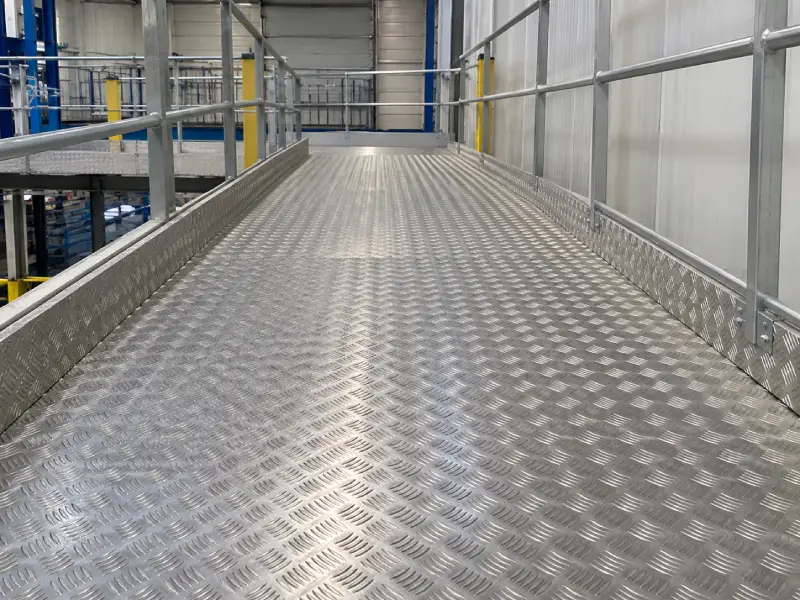
An aluminium chequered plate is a flat aluminium sheet featuring raised patterns across its surface. Depending on the product, these patterns may be formed as bars, diamonds or similar designs.
The textured surface can improve traction compared with smooth aluminium sheets, which makes chequered plates useful for areas where people regularly walk or equipment is moved.
Common applications include:
- Walkways and access platforms
- Stair treads
- Ramps
- Vehicle flooring
- Loading areas
- Industrial flooring
- Workshops
- Storage facilities
- Machinery platforms
- Wall and surface protection
Its combination of strength, corrosion resistance and relatively low weight makes aluminium chequered plate suitable for many projects across Qatar.
1. Determine the Intended Application
Start by identifying exactly where and how the plate will be used.
A plate installed on a decorative wall has very different requirements from one used as an industrial walkway carrying workers, tools and equipment.
For example:
Pedestrian areas:
Focus on grip, durability and an appropriate thickness for regular foot traffic.
Industrial platforms:
Structural strength, load capacity and long-term durability become more important.
Vehicle flooring:
Weight, resistance to wear and ease of cleaning should be considered.
Staircases and ramps:
Traction and secure installation are particularly important.
Defining the application first helps narrow down the required plate specifications.
2. Choose the Appropriate Plate Thickness
Thickness is one of the most important considerations when selecting an aluminium chequered plate.
Thinner plates may be suitable for:
- Decorative applications
- Wall protection
- Light-duty covers
- Areas with minimal loading
Thicker plates may be required for:
- Industrial flooring
- Platforms
- Heavy foot traffic
- Ramps
- Vehicle applications
- Areas supporting equipment or higher loads
Selecting an unnecessarily thick plate can increase material costs and weight, while a plate that is too thin may flex, deform or fail to provide adequate support.
For load-bearing applications, plate thickness should be selected according to the project’s engineering requirements rather than appearance alone.
3. Check the Aluminium Alloy and Grade
Aluminium is available in different alloys, each offering different levels of strength, corrosion resistance, workability and durability.
Depending on the application, project requirements may prioritise:
- Mechanical strength
- Corrosion resistance
- Weldability
- Formability
- Surface quality
For general construction applications, a versatile aluminium grade may be sufficient. Industrial, marine or specialised applications may require a particular alloy or specification.
Always confirm that the selected aluminium grade matches the technical requirements of the project.
4. Select the Right Chequered Pattern
The raised pattern is not simply decorative. It can affect grip, appearance and suitability for different environments.
Depending on availability, aluminium chequered plates may feature patterns such as:
- Diamond patterns
- Multiple-bar patterns
- Raised linear designs
- Other anti-slip surface configurations
For walkways, ramps and stairs, choose a pattern that provides practical traction while remaining comfortable and convenient to maintain.
Architectural applications may place greater emphasis on the appearance and consistency of the pattern.
5. Consider Qatar’s Environmental Conditions
Materials used in Qatar may be exposed to high temperatures, humidity, dust and demanding outdoor environments.
Aluminium has a natural advantage because it develops a protective oxide layer that helps resist corrosion. This can make aluminium chequered plates useful for both indoor and outdoor projects.
However, the surrounding environment still matters.
Consider whether the plate will be exposed to:
- Outdoor weather conditions
- Coastal environments
- Moisture
- Chemicals
- Frequent cleaning
- Dust and sand
- High temperatures
For demanding locations, discuss the appropriate aluminium grade and finish with the supplier before making a selection.
6. Evaluate Load and Structural Requirements
If the aluminium chequered plate forms part of a walkway, staircase, platform or similar structure, load capacity should be carefully evaluated.
Factors include:
- Expected number of users
- Equipment weight
- Concentrated loads
- Supporting frame spacing
- Plate dimensions
- Installation method
- Required safety margins
The plate alone does not determine the strength of the finished structure. The supporting frame, fixing system and overall design also contribute to performance.
Where the application is structural or safety-critical, plate specifications should follow approved engineering calculations and project requirements.
7. Consider Weight and Ease of Installation
One of aluminium’s major advantages is its relatively low weight compared with many heavier metal alternatives.
A lighter plate can help with:
- Transportation
- Handling on site
- Installation
- Fabrication
- Reducing overall structural weight
This can be particularly useful for vehicle bodies, access panels, temporary structures and projects where materials need to be transported or installed frequently.
The final plate specification should nevertheless balance weight with the strength required for the application.
8. Check Fabrication Requirements
Many projects require aluminium plates to be modified before installation.
Common fabrication processes include:
- Cutting
- Bending
- Drilling
- Welding
- Forming
- Custom sizing
Before purchasing, determine whether plates will be supplied in standard dimensions or need fabrication.
Choosing dimensions close to the finished size can reduce material waste and fabrication work.
For customised projects, working with a supplier that can provide suitable dimensions and technical guidance can simplify procurement and installation.
9. Review Surface Finish and Appearance
The required finish depends heavily on where the plate will be used.
Industrial flooring generally prioritises durability and functionality, while visible architectural or commercial applications may require a cleaner and more consistent appearance.
Check for:
- Uniform surface finish
- Consistent raised pattern
- Clean edges
- Surface damage
- Scratches or dents
- Appropriate finish for the intended application
If appearance matters, discuss finishing requirements before ordering rather than treating them as an afterthought.
10. Consider Cleaning and Maintenance
Aluminium chequered plates are relatively straightforward to maintain, but their textured surface can collect dirt and dust depending on the installation environment.
In Qatar, where dust accumulation can be common, consider how easily the installed surface can be accessed and cleaned.
Regular maintenance may include:
- Removing accumulated dust
- Cleaning spills promptly
- Inspecting fixing points
- Checking for deformation or physical damage
- Ensuring the raised pattern remains free from substances that could reduce grip
Designing the installation with maintenance in mind can improve long-term performance.
11. Verify Dimensions Before Ordering
Before placing an order, confirm:
- Plate length
- Plate width
- Thickness
- Pattern
- Aluminium grade
- Required quantity
- Fabrication requirements
Incorrect measurements can lead to delays, additional cutting or unnecessary material waste.
For larger projects, preparing a detailed material schedule can make procurement more efficient and help ensure consistent specifications across the site.
12. Choose a Reliable Aluminium Supplier in Qatar
Product quality is only one part of choosing an aluminium chequered plate. Supplier reliability can also affect project timelines and overall costs.
When evaluating suppliers, consider:
- Availability of suitable plate sizes
- Range of aluminium products
- Technical product information
- Material quality
- Ability to meet project quantities
- Delivery capabilities
- Industry experience
A reliable supplier should be able to help you identify products that suit the intended application rather than recommending a single specification for every project.
Benefits of Aluminium Chequered Plates
When selected correctly, aluminium chequered plates can offer several advantages:
Corrosion Resistance
Aluminium naturally resists corrosion, making it suitable for many indoor and outdoor applications.
Lightweight Construction
Its lower weight can make transportation, fabrication and installation easier.
Improved Surface Grip
The raised pattern provides additional traction compared with completely smooth metal surfaces.
Durability
Appropriate aluminium grades can provide reliable long-term performance in demanding environments.
Easy Fabrication
Aluminium can be cut, drilled and formed to suit a variety of project requirements.
Professional Appearance
Chequered aluminium provides a distinctive industrial finish that can also work well in modern commercial and architectural applications.
Common Mistakes to Avoid When Buying Aluminium Chequered Plates
Avoid selecting a plate based solely on price.
Common purchasing mistakes include:
- Choosing inadequate thickness for the expected load
- Ignoring the aluminium alloy or grade
- Ordering without confirming exact dimensions
- Selecting a pattern based only on appearance
- Failing to consider outdoor or environmental exposure
- Ignoring fabrication and installation requirements
- Purchasing from a supplier without verifying product specifications
Considering these factors early can reduce material waste, installation issues and unnecessary replacement costs.
Conclusion
Choosing the right aluminium chequered plate for a project in Qatar starts with understanding its intended use. Plate thickness, aluminium grade, raised pattern, load requirements, environmental exposure, dimensions and fabrication needs should all be evaluated before purchasing.
For flooring, platforms, stairs, vehicles or industrial applications, specifications should be based on actual project requirements rather than choosing a standard plate without considering how it will perform after installation.
If you are sourcing materials for an upcoming construction, industrial or commercial project, you can explore the range of aluminium chequered plates available from The Quest International and select an option that matches your project’s specifications.
Frequently Asked Questions
1. What is aluminium chequered plate used for?
Aluminium chequered plates are commonly used for flooring, stairs, walkways, ramps, industrial platforms, vehicle flooring, workshops, storage areas and protective surfaces. Their raised pattern provides additional grip while aluminium offers durability and corrosion resistance.
2. How do I choose the correct aluminium chequered plate thickness?
The required thickness depends on the application, expected load, supporting structure and plate dimensions. Light decorative applications may use thinner plates, while flooring, platforms and heavy-duty areas typically require thicker specifications.
3. Is aluminium chequered plate suitable for outdoor use in Qatar?
Aluminium offers good corrosion resistance and can be suitable for many outdoor applications. However, the exact alloy, finish and installation method should be selected according to environmental conditions such as humidity, coastal exposure, dust and moisture.
4. Is aluminium chequered plate slip-resistant?
The raised surface provides better traction than a smooth aluminium sheet, which is why chequered plates are commonly used for walkways, stairs and ramps. However, surface performance can still be affected by water, oil, dust and other contaminants.
5. Can aluminium chequered plates be cut to custom sizes?
Yes. Aluminium plates can generally be cut, drilled, bent and fabricated according to project requirements, subject to the selected alloy, thickness and fabrication method.
6. What should I check before ordering aluminium chequered plates?
Confirm the required alloy or grade, thickness, dimensions, raised pattern, quantity, application, load requirements and any cutting or fabrication requirements before ordering.
7. Why is aluminium used instead of heavier metal plates?
Aluminium provides a useful combination of relatively low weight, corrosion resistance, durability and ease of fabrication. This can make handling and installation easier while reducing the overall weight of structures or vehicles.
8. Are aluminium chequered plates suitable for industrial flooring?
They can be suitable for industrial flooring, walkways and working platforms when the appropriate thickness, alloy, supporting structure and fixing system are selected for the expected loads and site conditions.
9. How should aluminium chequered plates be maintained?
Routine maintenance typically involves removing dirt and dust, cleaning spills, inspecting fixings and checking the plate for damage or deformation. Keeping the raised pattern clean also helps maintain its traction.
10. Where can I buy aluminium chequered plates in Qatar?
Aluminium and industrial material suppliers in Qatar may offer chequered plates in different dimensions and specifications. Before purchasing, compare product specifications and confirm that the selected plate is suitable for your project’s intended application.
Related Posts
July 5, 2026

June 7, 2026
March 15, 2026