
questinternational /
September 5, 2026
How Zinc Coating Affects the Durability of Galvanized Steel Coils
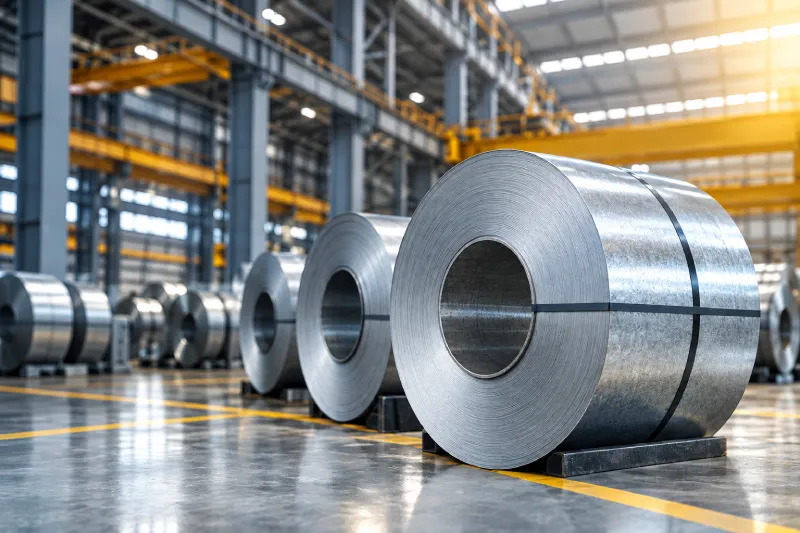
Galvanized steel coils are widely used in construction, manufacturing, roofing, HVAC systems, automotive components and many other industrial applications. One of the main reasons galvanized steel performs well in demanding environments is the protective zinc coating applied to the steel surface.
The thickness and quality of this zinc layer directly influence how well the steel can resist corrosion, moisture and environmental exposure over time. Understanding the role of zinc coating can help contractors, fabricators and procurement teams choose the right galvanized steel coil for their project requirements.
What Is Zinc Coating on Galvanized Steel?
Galvanizing is the process of applying a protective layer of zinc to steel. The zinc forms a barrier between the underlying steel and external elements such as moisture, oxygen and certain chemicals.
Without this protective layer, exposed steel can gradually oxidize and develop rust. Zinc helps slow down this process, extending the useful life of the steel in both indoor and outdoor applications.
How Zinc Coating Protects Galvanized Steel
Zinc protects galvanized steel in more than one way.
1. It Creates a Protective Barrier
The zinc layer prevents moisture and oxygen from coming into direct contact with the steel surface.
This barrier is especially important in environments where steel may be exposed to humidity, rain or changing temperatures.
2. It Provides Sacrificial Protection
Zinc is more reactive than steel. If the galvanized surface becomes scratched or slightly damaged, the surrounding zinc can corrode before the exposed steel does.
This sacrificial protection helps reduce the risk of corrosion spreading quickly from minor surface damage.
3. It Helps Extend Service Life
A properly selected zinc coating can significantly improve the lifespan of galvanized steel products.
In many applications, a heavier or more durable zinc coating may provide greater protection where the steel is exposed to harsher environmental conditions.
Why Zinc Coating Thickness Matters
Not all galvanized steel coils have the same zinc coating weight or thickness.
The appropriate coating depends on factors such as:
- Expected environmental exposure
- Indoor or outdoor application
- Humidity levels
- Contact with water or moisture
- Required service life
- Project specifications
- Fabrication and forming requirements
In general, a thicker zinc coating provides a larger amount of protective material between the environment and the steel.
However, choosing the highest coating level is not always necessary. The right specification should balance durability, performance, fabrication requirements and project cost.
Environmental Conditions Affect Zinc Performance
The durability of galvanized steel also depends on where and how it is used.
Dry Indoor Environments
Steel used inside warehouses, factories or enclosed commercial buildings may experience relatively low exposure to moisture.
In these applications, moderate zinc protection may often be suitable depending on the project specification.
Outdoor Applications
Roofing systems, cladding, structural components and external equipment may be continuously exposed to sunlight, rain, humidity and airborne contaminants.
Suitable zinc coating protection becomes more important for these applications.
Coastal and Humid Environments
Areas with high humidity or salt in the atmosphere can create more aggressive conditions for metal surfaces.
For projects in coastal regions, engineers and contractors should carefully consider the coating specification, installation method and expected exposure conditions when selecting galvanized steel.
Zinc Coating and Fabrication
Galvanized steel coils are often cut, bent, rolled, pressed or formed into different products.
The zinc coating should remain well bonded to the steel during these fabrication processes. Good coating adhesion helps reduce cracking, peeling or excessive coating damage during forming.
Using the correct grade and specification is therefore important when galvanized steel will undergo extensive fabrication.
Common Applications of Galvanized Steel Coils
Because of their corrosion resistance and versatility, galvanized steel coils are used across many industries.
Common applications include:
- Roofing and wall cladding
- Air conditioning ducts
- Cable trays
- Electrical enclosures
- Industrial equipment
- Automotive components
- Storage systems
- Steel furniture
- Construction profiles
- Drainage components
- General fabrication
The required zinc coating can vary depending on the final application and the level of environmental exposure.
Factors to Consider When Selecting Galvanized Steel Coils
When sourcing galvanized steel coils, buyers should consider more than just coil thickness.
Important factors include steel grade, zinc coating specification, coil dimensions, surface finish, forming requirements and intended application.
Working with an experienced supplier can also help businesses select material specifications that match project requirements while avoiding unnecessary over-specification.
Proper Storage Also Supports Durability
Even galvanized steel should be stored correctly before fabrication or installation.
Coils should preferably be kept in a dry, well-ventilated environment and protected from prolonged water exposure.
Moisture trapped between tightly packed galvanized surfaces can sometimes cause surface staining or white corrosion deposits. Proper handling and storage therefore help preserve the appearance and performance of the material.
Conclusion
The zinc coating is one of the most important factors influencing the corrosion resistance and durability of galvanized steel coils. It protects the underlying steel by creating a physical barrier and providing sacrificial protection if minor surface damage occurs.
The correct coating specification depends on the application, environmental conditions and expected service life. Selecting suitable galvanized steel specifications can help improve long-term performance while reducing maintenance and replacement requirements.
For construction, manufacturing and fabrication requirements, The Quest International supplies GI & AGIS Coils in Qatar for a wide range of industrial and commercial applications.
Frequently Asked Questions
What is the purpose of zinc coating on galvanized steel coils?
Zinc coating protects the underlying steel from corrosion by creating a barrier against moisture and oxygen. It can also provide sacrificial protection when small areas of the steel surface are exposed.
Does a thicker zinc coating make galvanized steel more durable?
In general, a thicker zinc coating can provide longer corrosion protection because more zinc is available to protect the steel. However, the appropriate coating depends on the application and environmental conditions.
Can galvanized steel coils rust?
Yes. Galvanized steel can eventually corrode if the zinc coating becomes heavily damaged or is consumed after long-term exposure. However, galvanizing generally provides significantly better corrosion resistance than uncoated steel.
Are galvanized steel coils suitable for outdoor applications?
Yes. Galvanized steel is commonly used for roofing, cladding, structural components and other outdoor applications. The correct zinc coating specification should be selected based on exposure conditions.
How should galvanized steel coils be stored?
Galvanized coils should be stored in a dry, ventilated area and protected from prolonged moisture exposure. Proper storage helps prevent surface staining and premature corrosion.
What industries commonly use galvanized steel coils?
Galvanized steel coils are widely used in construction, HVAC, automotive manufacturing, electrical products, industrial fabrication, storage systems and general engineering applications.
Related Posts
September 20, 2026
August 8, 2026