

questinternational /
June 7, 2026
Aluminum Sheets for Industrial Fabrication in Qatar: Uses, Grades and Thickness Guide
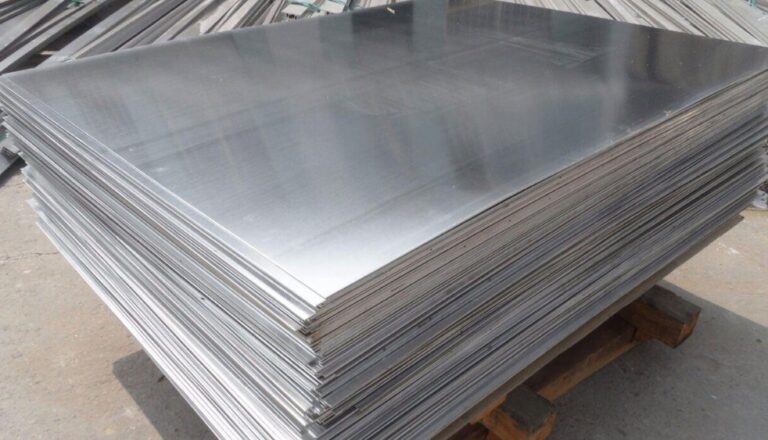
Aluminum sheets are widely used in Qatar’s industrial, construction, HVAC, and fabrication sectors because they are lightweight, corrosion-resistant, easy to work with, and suitable for a wide range of applications. From machinery panels and cladding to ducting, insulation works, and custom fabrication, aluminum sheets offer practical advantages for projects that require strength, durability, and clean finishing.
Choosing the right aluminum sheet depends on the project requirement, grade, thickness, finish, and fabrication method. This guide explains the common uses, suitable grades, and thickness selection tips for industrial applications in Qatar.
Why Aluminum Sheets Are Used in Qatar’s Industrial Projects
Aluminum sheets are preferred in many industrial projects because they provide a strong balance between durability and weight. Compared to heavier metals, aluminum is easier to cut, bend, transport, and install, making it suitable for both workshop fabrication and on-site applications.
In Qatar, industrial projects often require materials that can handle heat, humidity, dust, and outdoor exposure. Aluminum sheets perform well in these conditions because they naturally resist corrosion. This makes them suitable for HVAC works, mechanical fabrication, roofing accessories, cladding, machine covers, insulation jacketing, and industrial panels.
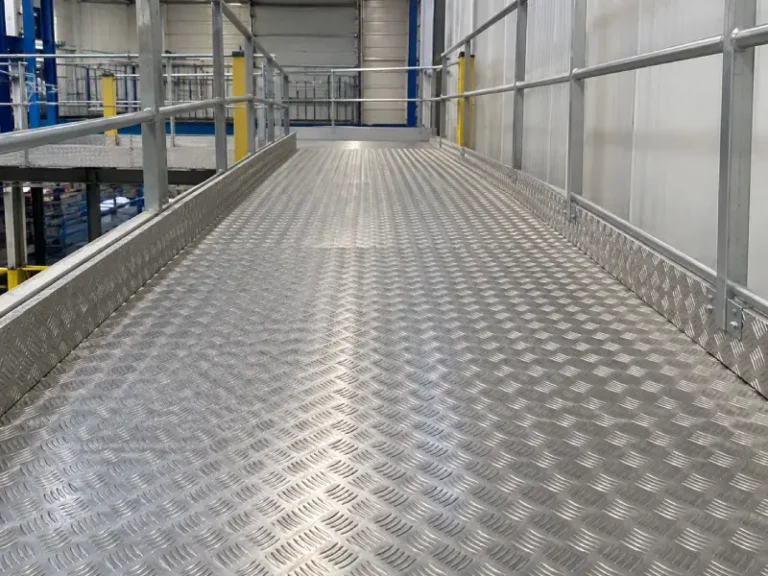
Another major benefit is the clean appearance of aluminum. It can be supplied in different finishes such as mill finish, brushed finish, embossed finish, or coated finish depending on the project need.
Common Industrial Uses of Aluminum Sheets
Aluminum sheets are used across many sectors in Qatar, including construction, oil and gas support services, MEP contracting, HVAC installation, manufacturing, and general fabrication.
Common industrial uses include:
- HVAC ducting and insulation cladding
- Machinery covers and protective panels
- Industrial cabinets and enclosures
- Wall cladding and ceiling panels
- Trailer and vehicle body fabrication
- Signage and display panels
- Roofing accessories and flashing
- Fabricated boxes, trays, and covers
- Decorative and architectural metal works
- Equipment protection in factories and workshops
Because aluminum is easy to form and fabricate, it is a practical choice for customized industrial components.
Best Aluminum Grades for Fabrication
Different aluminum grades are used depending on strength, corrosion resistance, formability, and finishing requirements. Selecting the right grade is important to ensure the sheet performs well in the intended application.
1100 Aluminum Sheet
Grade 1100 is a commercially pure aluminum grade known for excellent corrosion resistance and high workability. It is easy to bend, cut, and form, making it suitable for general sheet metal fabrication, insulation cladding, signage, and light industrial applications.
3003 Aluminum Sheet
Grade 3003 is one of the most commonly used aluminum sheet grades for fabrication. It offers better strength than 1100 while still maintaining good corrosion resistance and formability. It is often used for ducting, panels, roofing accessories, storage tanks, and general industrial fabrication.
5052 Aluminum Sheet
Grade 5052 is stronger than 1100 and 3003 and offers excellent corrosion resistance, especially in humid or marine-related environments. It is suitable for heavy-duty fabrication, industrial panels, equipment covers, marine applications, and outdoor installations.
6061 Aluminum Sheet
Grade 6061 is a strong and versatile aluminum alloy used for structural and mechanical applications. It is suitable when the project requires higher strength, machining, welding, and durability. It is commonly used for frames, machinery components, brackets, and engineering fabrication.
How to Choose the Right Aluminum Sheet Thickness
Aluminum sheet thickness should be selected based on the application, load requirement, bending needs, and exposure conditions. A thinner sheet may be suitable for covering, lining, or decorative use, while thicker sheets are needed for strength and impact resistance.
Common thickness selection guidelines:
Thin Aluminum Sheets
Thin sheets are usually used for lightweight covering, insulation jacketing, signage, decorative panels, and HVAC-related applications. They are easier to bend and cut, making them suitable for projects where flexibility is required.
Medium Thickness Aluminum Sheets
Medium thickness sheets are used for general fabrication, machine covers, panels, ducting, cladding, and workshop applications. They provide better strength while still being easy to process.
Thick Aluminum Sheets
Thicker aluminum sheets are used when strength, rigidity, and durability are important. These are suitable for industrial flooring accessories, heavy machinery panels, structural parts, and engineering fabrication.
When choosing thickness, it is important to consider whether the sheet will be bent, welded, drilled, exposed outdoors, or used as a load-bearing component.
Aluminum Sheets for HVAC, Machinery, Cladding and Panels
Aluminum sheets are widely used in HVAC projects because they are lightweight, corrosion-resistant, and easy to install. They are commonly used for ducting, insulation jacketing, air handling unit panels, and protective covers.
For machinery and equipment, aluminum sheets are used to create protective covers, access panels, guards, and enclosures. They help protect internal parts while keeping the structure lightweight.
In construction and architectural applications, aluminum sheets are used for wall cladding, ceiling panels, decorative partitions, and exterior coverings. Their clean finish makes them suitable for both industrial and commercial spaces.
For panel fabrication, aluminum sheets are often chosen because they can be cut into custom sizes, shaped easily, and finished according to project requirements.
Aluminum Sheets vs GI Sheets: Which One Should You Choose?
Both aluminum sheets and GI sheets are commonly used in Qatar, but they serve different purposes.
Aluminum sheets are lightweight, corrosion-resistant, and suitable for applications where appearance, easy handling, and long-term resistance to rust are important. They are commonly used for HVAC, cladding, panels, signage, and fabrication works.
GI sheets, or galvanized iron sheets, are usually stronger and more rigid. They are often used in roofing, ducting, partitions, fabrication, and construction applications where strength and cost-effectiveness are important.
Choose aluminum sheets if your project requires:
- Lightweight material
- Better corrosion resistance
- Easy bending and forming
- Clean finishing
- HVAC or cladding applications
- Outdoor or humid-area usage
Choose GI sheets if your project requires:
- Higher rigidity
- Cost-effective metal sheet solution
- Stronger load-bearing support
- General construction sheet metal use
The best choice depends on the project environment, budget, finish requirement, and fabrication method.
How to Choose an Aluminum Sheets Supplier in Qatar
Selecting the right aluminum sheets supplier in Qatar is important for project quality, timely delivery, and material reliability. A good supplier should provide different sheet sizes, grades, and thickness options to match industrial requirements.
When choosing a supplier, consider:
- Availability of multiple aluminum grades
- Different thickness and sheet size options
- Ability to support bulk orders
- Reliable delivery across Qatar
- Material quality and consistency
- Support for construction and industrial projects
- Knowledge of fabrication requirements
- Competitive pricing and timely supply
For industrial fabrication, it is also important to work with a supplier who understands project-based requirements and can recommend suitable material options based on the application.
Conclusion
Aluminum sheets are a practical and reliable material for industrial fabrication in Qatar. Their lightweight nature, corrosion resistance, easy workability, and wide range of grades make them suitable for HVAC, machinery, cladding, panels, and general fabrication projects.
Choosing the right aluminum sheet grade and thickness helps improve performance, durability, and project efficiency. Quest International offers aluminum sheets in Qatar for industrial, construction, HVAC, and fabrication requirements. Quest International supplies quality aluminum sheets in different sizes and thicknesses to support reliable project execution across Qatar.
FAQ
What are aluminum sheets used for in Qatar?
Aluminum sheets are used for HVAC works, machinery panels, cladding, insulation jacketing, signage, roofing accessories, equipment covers, and general industrial fabrication.
Which aluminum grade is best for fabrication?
Grade 3003 is commonly used for general fabrication because it offers good strength, corrosion resistance, and formability. For higher strength and better corrosion resistance, 5052 or 6061 may be suitable.
Are aluminum sheets suitable for outdoor use?
Yes, aluminum sheets are suitable for outdoor use because they naturally resist corrosion. For harsh environments, selecting the right grade and finish is important.
What thickness of aluminum sheet should I choose?
The right thickness depends on the application. Thin sheets are suitable for covering and cladding, medium thickness sheets are used for panels and fabrication, and thicker sheets are used for heavy-duty industrial applications.
Are aluminum sheets better than GI sheets?
Aluminum sheets are better for lightweight, corrosion-resistant, and clean-finish applications. GI sheets are better when strength, rigidity, and cost-effectiveness are the main priorities.
Can aluminum sheets be cut and bent easily?
Yes, aluminum sheets are easy to cut, bend, drill, and fabricate, making them suitable for custom industrial and construction applications.
Where can I buy aluminum sheets in Qatar?
You can buy aluminum sheets from industrial material suppliers in Qatar that provide different grades, thicknesses, and sheet sizes for fabrication, HVAC, construction, and industrial projects.
Related Posts
August 22, 2026
July 5, 2026
March 15, 2026